Author: Katie Clifford | Published: May 7, 2026 | Length: 6 minute read
TL;DR: Owning a franchise can be worth it for the right person, but success depends on accepting the tradeoffs, staying actively involved, and consistently executing within a proven system.
Is Owning a Franchise Worth It?
If you’re asking whether owning a franchise is worth it, you’re probably weighing more than just upside. You’re thinking about risk, commitment, and whether the model actually works in real life. That’s where most people get stuck. It’s easy to review a website, scan investment ranges, or look at high-level performance claims. What’s harder, and far more useful, is understanding what ownership actually looks like when someone makes the leap.
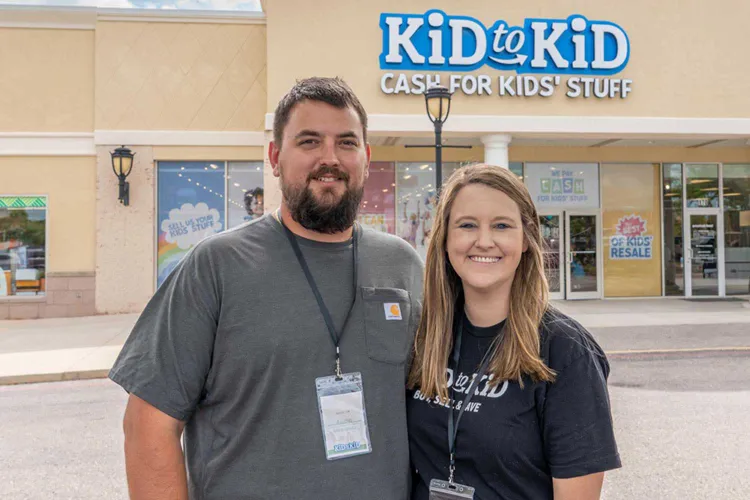
A recent People Magazine story followed Kayla and Austin Stewart, who made that leap by opening a children’s resale store through the Kid to Kid franchise system. To do it, they liquidated their 401(k), a decision that carries real risk. Which raises the question most prospective owners are actually asking: Is that kind of risk worth it?
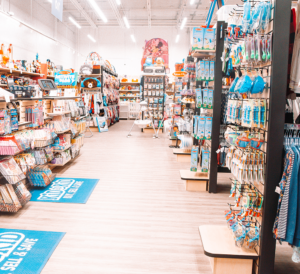
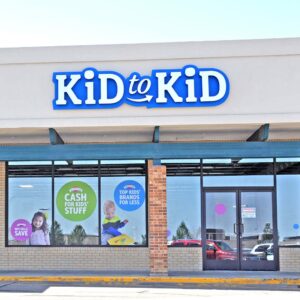
Kayla remembers the moment she walked into her finished store: “I remember the day I walked into my store and saw the fixtures up, the flooring in, and the sign that hangs above my building. I cried happy tears.” While that moment alone does not justify the risk of business ownership, it does clarify what the decision was really about. Ownership, control, and building something of her own, not just earning a living from something someone else built.
What This Story Gets Right About Franchise Ownership
At its core, the decision to open a franchise is not purely about returns. Kayla and Austin were not just looking for an investment. They were looking for:
- More control over their future
- A path into business ownership
- The chance to build something of their own
- A way to make an impact in their community
Those goals drive many franchise decisions. What makes their story useful is not just why they started, but how they evaluated the tradeoffs. They were not choosing between risk and no risk. They were choosing which type of risk to take and what they wanted in return.
Ownership Always Involves Tradeoffs
One of the biggest misconceptions about franchising is that it is all about passive income. Franchising can be more structured and more supported than starting from scratch. But it still requires real commitment.Liquidating retirement savings is an extreme example. Most owners do not take that path. However, every franchise decision involves the same underlying trade. Stability for opportunity. Predictability for control. Employment for ownership.
That tradeoff is what gives ownership its upside, but also its weight. You are not removing risk. You are redirecting it toward something you control.
What People Underestimate About Ownership
Stories like those of Kayla and Austin are powerful, but they can also create the wrong impression if you only focus on the outcome. What often gets overlooked is what it takes to make a business successful after it opens.
1. It’s Not Passive
Franchise ownership is not a hands-off investment. Owners who succeed, whether in a children’s resale concept like Kid to Kid or other franchise models, typically:
- Stay actively involved, especially early on
- Focus on hiring and managing a team
- Pay close attention to operations and execution
If someone is looking for passive income or minimal involvement, franchise ownership usually is not the right fit. This is where expectations break down. People buy the model, but underestimate the role they play in making it work.
2. Execution is Critical to Success
Most franchise systems offer:
- A defined model
- Training and support
- Operational systems
- Marketing playbooks
But those resources do not replace execution. The difference between average and top-performing owners often comes down to:
- Agency and a bias towards action
- Humility and a willingness to follow a proven system
- Consistency, with a relentless focus on execution every day
- Team leadership
Those keys to success are true regardless of industry.
3. The Right Model Makes a Huge Difference
No business is risk-free. But the fundamentals of the model have meaningful implications.
- How much capital is required upfront
- How quickly you can scale
- How proven the support infrastructure is
- How exposed the business is to market shifts
- Whether the model is well positioned for the future
Resale-focused concepts like Kid to Kid pair strong upfront unit economics, comprehensive training and support, and meaningful industry tailwinds. While these dynamics do not eliminate risk, they do help position franchise owners for success. The model does not guarantee results, but it shapes how achievable those results are.
Is Owning a Franchise Worth It?
There is no universal answer. For the right person, it can be a path to:
- Building a scalable business
- Creating long-term financial upside
- Taking control of your career
But it is not for everyone. It tends to work best for people who:
- Want to be actively involved
- Are comfortable leading a team
- Value following a proven system
- Are focused on long-term growth
For someone looking for flexibility without responsibility, it can feel like the wrong decision quickly. The question is not just “Is it worth it?” It is “Is this the kind of work and responsibility you want?”
Final Thoughts
Stories like Kayla and Austin’s matter because they show what ownership actually looks like. Not just the outcome, but the decision behind it. They chose to take on risk in exchange for control. They chose to build something instead of maintain something. For many owners, that is what ultimately makes it worth it. As Kayla puts it: “It’s incredible what following your dream can do.” For the right person, the decision to own a franchise can feel not just justified, but meaningful.
If you are seriously considering franchise ownership, the next step is to understand how the model works in practice. That includes what it costs, how it operates, and what it takes to succeed. Most importantly, it means hearing directly from existing franchisees.
Start here to learn more about whether a Kid to Kid franchise could be the right fit for you.
Katie Clifford is the VP of Marketing at BaseCamp Franchising, the parent company of Uptown Cheapskate and Kid to Kid. At BaseCamp, Katie manages the team responsible for digital marketing, social media, and new store marketing. Katie has had a wide range of retail marketing experience, from apparel at The North Face to consumer products at Cricut.
Learn more about the Kid to Kid leadership team.